
How to Be More Environmentally Friendly for 2026
The 2026 Guide to Sustainability
iSustainability is no longer just a “green” buzzword; it is a fundamental framework for global survival.
Environmental Sustainability is protecting ecosystems and biodiversity, reducing carbon footprints, and managing natural resources responsibly to prevent depletion.
Take a look below for ideas on how to do your part for nature and the future.

Sustainability is essential because it ensures that the resources we rely on today will still be available for future generations.
By embracing sustainable practices in energy, agriculture, industry, and daily life, societies can protect the planet, strengthen economies, and improve quality of life for everyone, now and in the future.
Examples of Non Sustainability
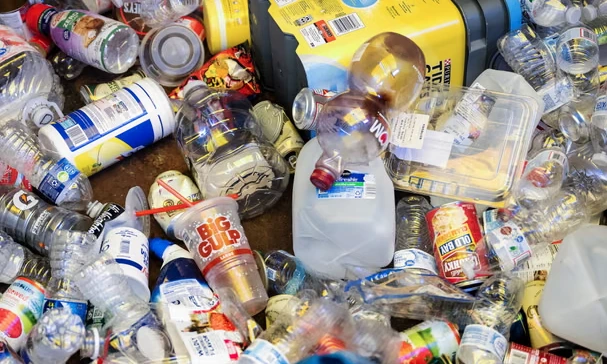
About 225 million metric tons (248 US Tons ) of plastic waste (non recycled) is estimated to have been generated globally in 2025. This figure comes from a recent analysis of plastic waste generation trends and reflects the total amount of plastic discarded worldwide during the year. Since most plastics are made from fossil fuels and do not easily break down, they can remain in the environment for hundreds of years. Large amounts of plastic end up in the ocean where floating debris harms marine life. Marine animals can mistake plastic for food causing injury or death disrupting the ecosystem. The production and disposal of plastic also releases greenhouse gases creating climate change which furthers disruptions in the ecosystem. To protect the planet for future generations it is essential to develop safer alternatives, reduce plastic use and improve recycling systems.
Deforestation
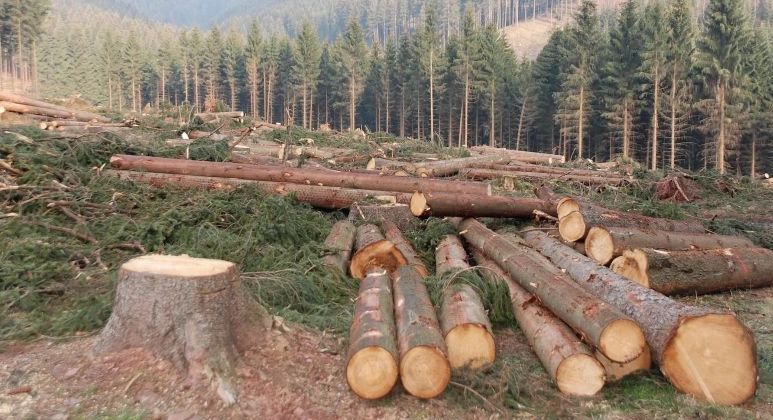
Every year for the past decade, the world has been losing around 10.9 million hectares (26,934,486 Acres) of forest. That rate is an improvement compared to the 13.6 million hectares being lost annually in the previous period, and the 17.6 million before that. A slow but positive trend. In places like the Amazon Rainforest, vast acres of forest are cutdown each year for ranching and crop production. Forests play a critical role in absorbing carbon dioxide. When trees are removed, more greenhouse gases remain in hte atmosphere and contribute to climate change. Deforestation also destroys habitats for many species, leading to loss of biodiversity and the disruption of the entire ecosystem. Forests also help regulate water cycles and prevent soil erosion. So by their removal, flooding is more possible as well as reducing soil fertility. Protecting and restoring forests is essential to maintain ecological balance which supports livelihoods ensures that natural resources remain available for future generations.
Textiles and Clothing Filling our Landfills
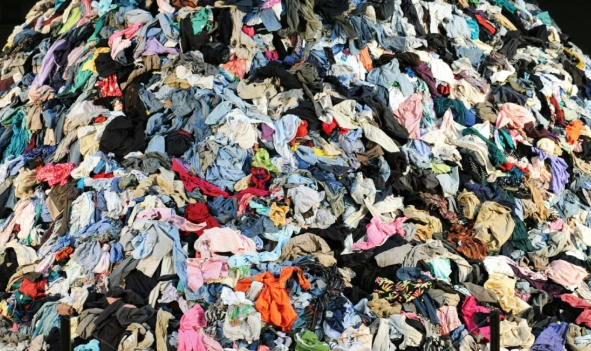
Every year, 92 million tons of textile waste is produced globally. In the United States alone, approximately 11 to 14 million tons end up as waste annually. Many of these items are made from synthetic fibers like polyester, which is derived from plastic and can take centuries to decompose. As textiles break down in landfills, they can release greenhouse gases and toxic chemicals into the air, soil and groundwater. This pollution contributes to climate change and harms ecosystems and ultimately human health. Addressing this issue requires more sustainable consumer choices, improved recycling and a shift towards higher quality, longer lasting clothing.