
Bamboo is praised as one of the most sustainable materials on Earth. It is fast-growing, renewable, strong as steel (by weight), and good looking as well. At the same time, it can be feared by homeowners, and city planners who’ve seen it escape its boundaries and take over entire yards.
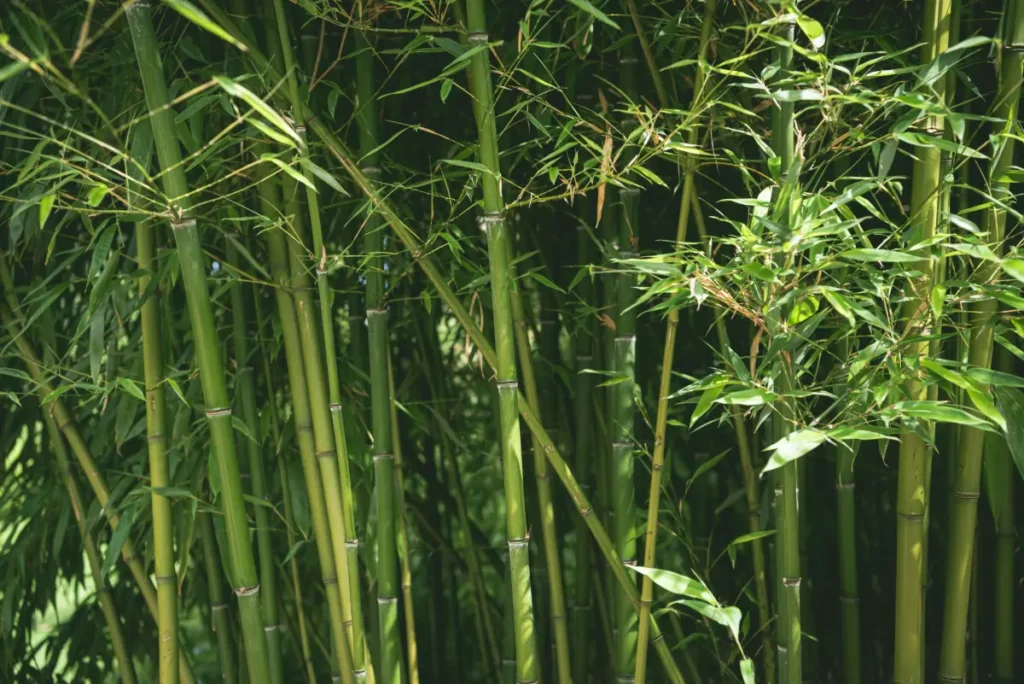
Bamboo has an eco-friendly reputation for good reason:
It’s used for everything from flooring and furniture to textiles and food
It’s one of the fastest-growing plants on the planet
It regenerates without replanting
It requires little to no pesticides
It absorbs large amounts of carbon dioxide
Because bamboo is technically a grass, it can be harvested repeatedly without killing the plant. This makes it incredibly appealing as a renewable resource in a world facing deforestation and climate change.
Clumping vs. Running Bamboo
Not all bamboo behaves the same way. There are two main growth types, and confusing them can lead to serious regret.
Clumping Bamboo
Clumping bamboo grows in tight, slowly expanding clusters. It stays relatively contained and is often used safely in landscaping and gardens.

Running Bamboo
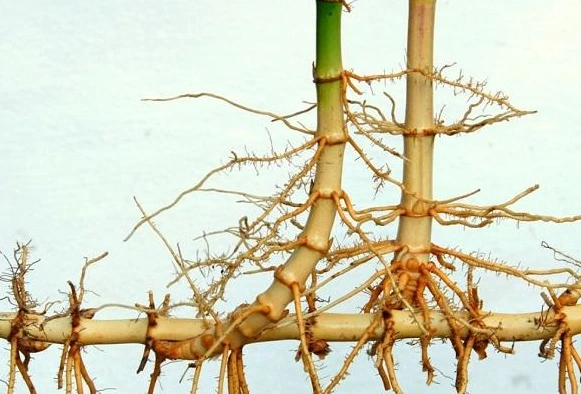
Running bamboo spreads through underground stems called rhizomes, which can extend several feet per year—sometimes several feet in a single growing season.
This is where the “demon weed” reputation comes from.
Running bamboo doesn’t stay where it’s planted. Once established, it can:
Outcompete native plants for space, light, and nutrients
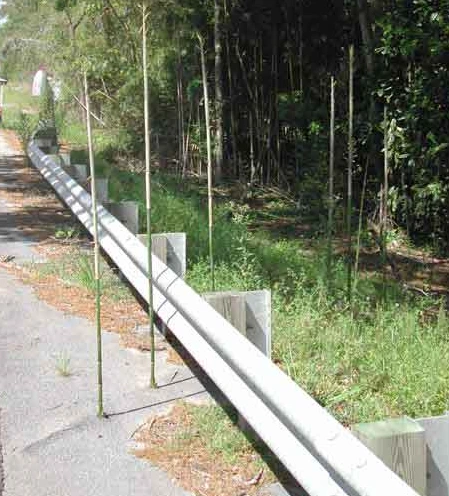
Send shoots under fences, driveways, and sidewalks
Emerge unexpectedly in lawns, gardens, or neighboring properties
Break through weak concrete and asphalt
Related: What we are up against with Earth Sustainability
How Running Bamboo Takes Over
Some species can spread 10–20 feet plus from the original planting area if left unchecked. Cutting it back above ground doesn’t solve the problem as the underground rhizome network continues to grow and store energy.
Why It’s So Hard to Remove?
Once running bamboo takes hold, removal can be expensive, time-consuming, and physically demanding.
Effective removal often requires:
- Digging out extensive rhizome systems
- Repeated cutting over multiple seasons
- Installing deep root barriers
- Professional excavation in severe cases
Even small fragments of rhizome left in the soil can regenerate. This resilience is exactly what makes bamboo so useful as a renewable resource—and so dangerous in the wrong setting.
Miracle or Demon?
Bamboo is a miracle of nature when used wisely.
- As a responsibly sourced material
- As clumping varieties in controlled landscapes
- As a renewable alternative to slow-growing hardwoods
But running bamboo, planted casually or without barriers, can absolutely earn its reputation as a demon weed.
Conclusion:
Bamboo’s incredible growth rate is both its greatest strength and its biggest risk. Before planting bamboo, it’s worth understanding where it comes from, how it grows, and how it’s managed.
Handled correctly, bamboo can be part of a more sustainable future.
Handled carelessly, it can take over your yard… and maybe your neighbor’s too.