
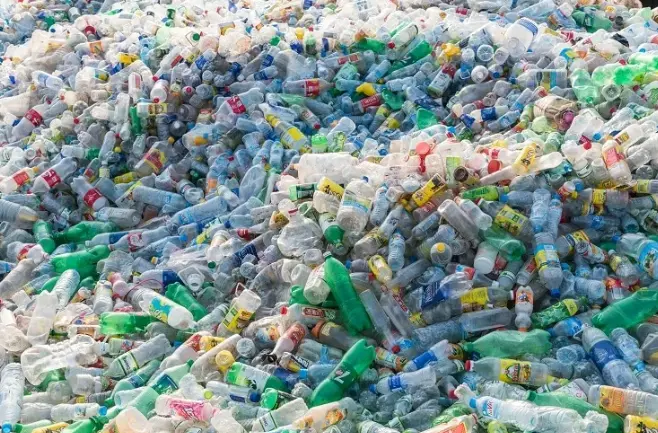
Plastic has become one of the most widely used materials in today’s society. It is lightweight, durable and inexpensive to produce. It is used everywhere such as packaging, food storage, healthcare, construction and transportation. The same properties that make plastic so useful also makes it a significant environmental challenge.
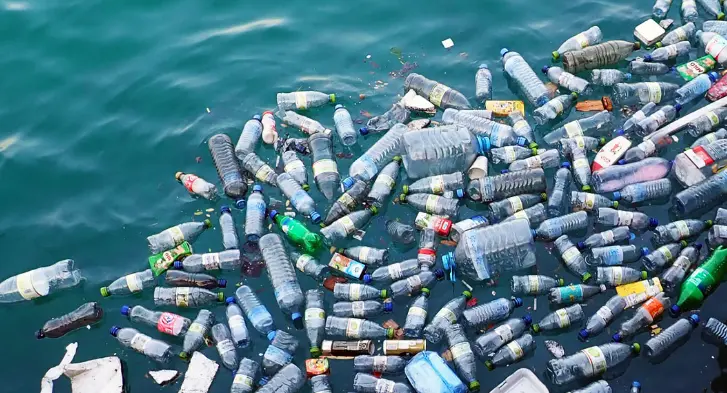
Since the 1950’s billions of tons of plastic have been produced worldwide. Many of these products are designated as a single use such as water bottles, grocery bags, food wrappers and disposable containers. One plastic is discarded and not recycled it can persist in the environment for hundreds of years.
When plastic is thrown away it breaks down into microplastics rather than fully decomposing. These tiny particles have been found in marine life, drinking water, soil and even airborne. Wildlife often mistake plastic debris for food leading to injury or death. Marine animals, seabirds and fish are particularly vulnerable to plastic ingestion and entanglement.
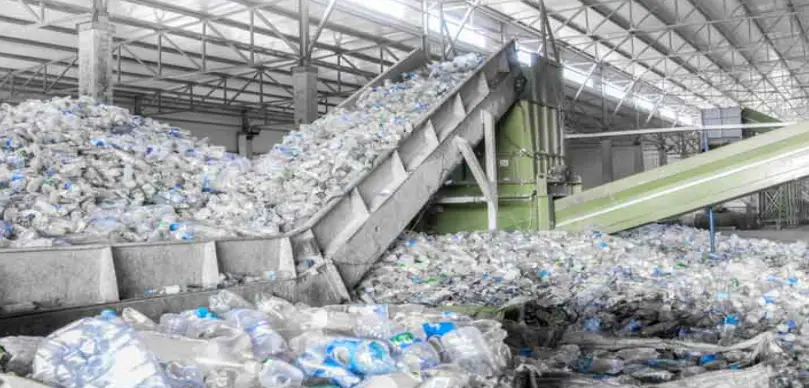
There is a green side to plastic recycling.
When plastic is properly collected, sorted and reprocessed it can be turned into new products, reducing the demand for virgin plastic made from fossil fuels.
Some drawbacks on recycling certain plastics can face several challenges. Not all plastics are recyclable. Different plastic resins require different processing methods. Contamination such as food residue or mixing incompatible plastics can reduce the quality of recycled material. Many regions have limited or inconsistent recycling infrastructure leading to low recovery rates.
While plastic recycling is essential it is not a complete solution. The massive volume of single use plastic being produced means that even highly efficient recycling systems cannot keep up. Reducing plastic consumption and transitioning to alternative materials are equally important.
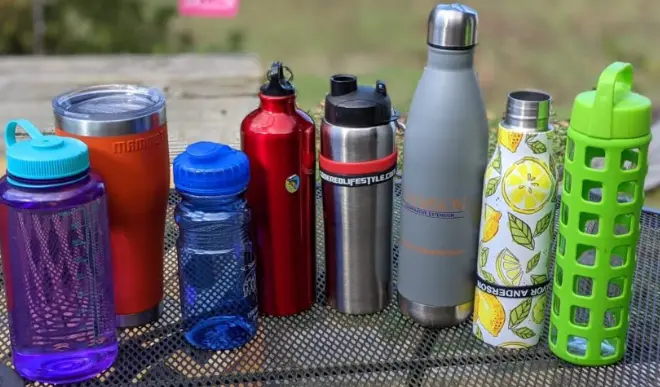
Reusable containers made from glass, stainless steel, or durable food-safe plastics can dramatically reduce waste. Refillable water bottles, food storage containers, and shopping bags eliminate the need for many disposable items.
Some reports state only 5% of plastic is recyclable.
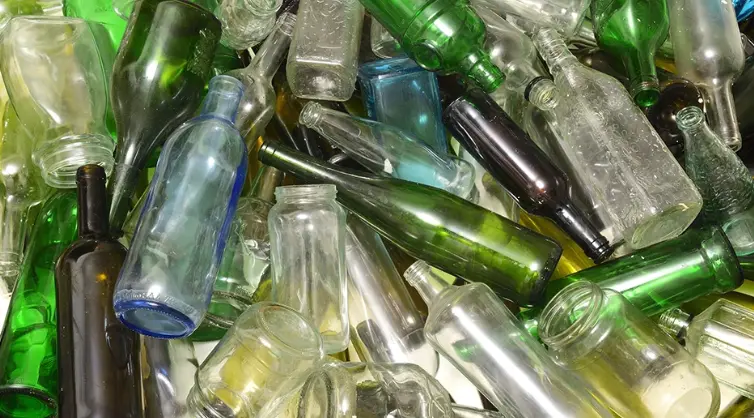
Therefore, other containers are more of a chosen option. Glass and aluminum are highly recyclable materials that can be reprocessed repeatedly without significant loss of quality. Aluminum cans can be recycled indefinitely making them a strong alternative to plastic beverage containers.
Consumers play an important role by properly sorting recyclables and supporting companies that are committed to sustainable practices.