
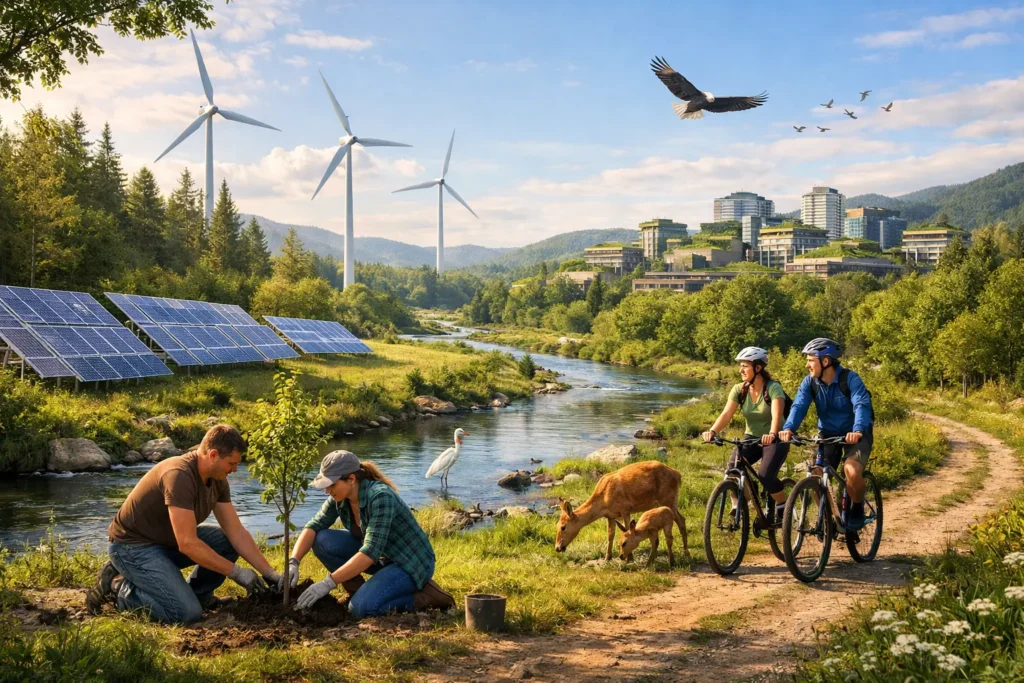
Sustainability is one of the most important and widely discussed topic in todays world. It appears in conversations about climate change, business strategy, agriculture, energy, and personal lifestyle choices. Despite its frequent use, sustainability is often misunderstood or referred to a simple idea like going green. Sustainability is a broad concept that seeks to balance environmental protection, social well being and economic profitability to ensure present needs are met without compromising future generations needs.
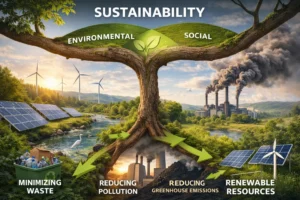
At the core of sustainability are three branches: environmental, social and economic sustainability. Environmental sustainability concentrates on protecting natural systems that support life, such as clean air, water, soil, forest and biodiversity. It involves reducing pollution, minimizing waste, conserving energy and shifting towards renewable resources like solar and wind power. An example is reducing greenhouse emissions as being critical to address global warming.
Social sustainability concentrates on human well being, equity and justice. It acknowledges that a sustainable world must also be a fair and inclusive one. This includes access to education, healthcare, safe working conditions and equal opportunities regardless of race, gender or socioeconomic status. Social sustainability also involves respecting human rights. For example, ensuring fair wages and ethical supply chains in global industries. This encourages economic growth as well as social stability.
Economic sustainability involves creating systems that support long term economic growth without causing environmental degradation. It does not mean rejecting economic development but rather it means redefining growth in a way that values efficiency, innovation and responsibility. Sustainable businesses aim to generate profit while reducing waste, lowering emissions and investing in their communities.

In the past, industrial growth was often pursued with little regard for environmental consequences. The industrial revolution brought unprecedented economic expansion but also severe pollution and resource depletion. Over time, scientific research revealed the negative impacts of unchecked industrial activity, including deforestation, species extinction, and climate change. Sustainability has now become a guiding principle for governments, organizations and individuals worldwide.
In 2015, the United Nations adopted the Sustainable Development Goals (SDG), a set of 17 interconnected goals designed to address poverty, inequality, climate change, environmental degradation, peace, and justice by 2030. These goals reflect the integrated nature of sustainability, recognizing that environmental protection, economic development, and social progress are deeply interconnected.
Sustainable responsibility also should be addressed at the individual level. Personal lifestyles such as reducing energy consumption, minimizing waste, choosing sustainable transportation help contribute to change. One person’s actions are small but collectively can significantly influence markets and policies. Consumer demand for sustainable products has encouraged companies to adopt greener practices and increase transparency in their operations.
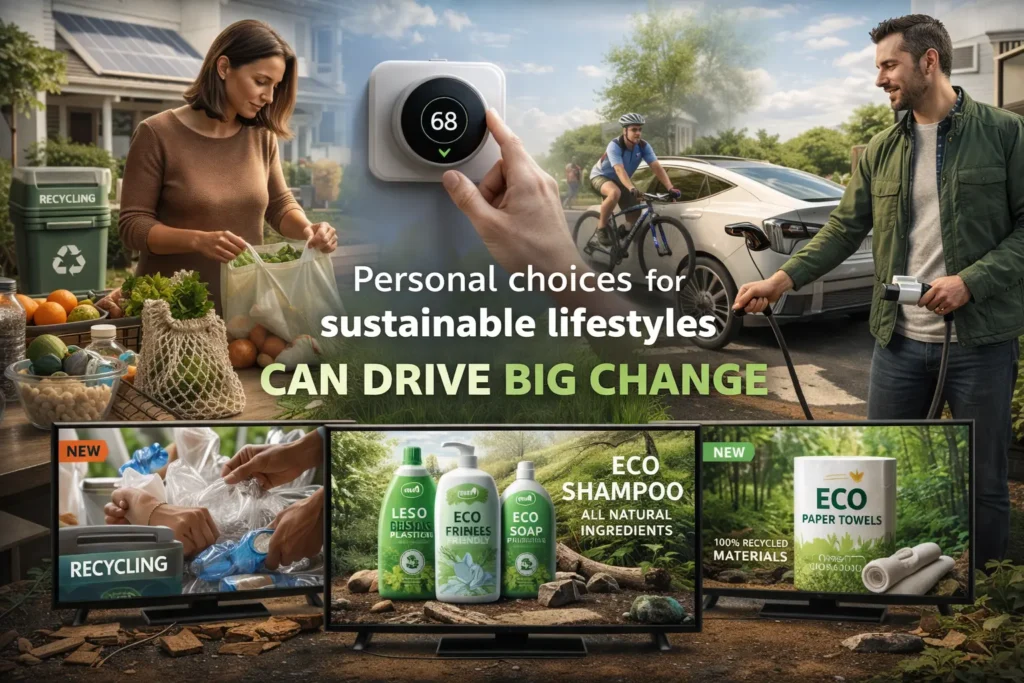
Sustainability is even going mainstream in marketing. Good examples are television commercials over the past few years.
Electric Vehicle and Hybrid (EV, HEV) Campaigns
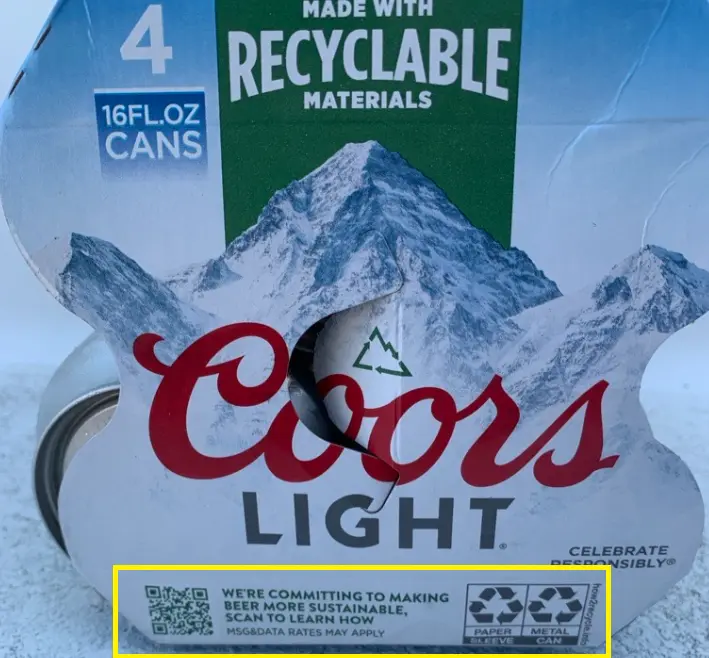
Even Beer Brewers are getting in the action (2026).
Sustainability also involves difficult trade offs. Transitioning to renewable energy requires substantial upfront investment and infrastructure changes. Not that long ago electric vehicle (EV) charging stations were few and far between. Now there are many in various parts of the countries. Yet some remote sections being overlooked at this time. Sustainability is an ongoing, long term process of negotiation and adaptation.
Unfortunately in the US, the present President (2026) has reversed many EV recommendations for the future. He signed executive orders in January ’25 blocking the California Waiver Act where 100% cars sold in California to be EV’s by 2035, Freezing funding for EV charging stations previously set at $5 Billion (Since has been overturned in the courts). Rolling back EPA Emissions Rules requiring automakers to ensure 30 to 56% of new cars were electric by 2030/32. Getting rid of the $7,500 tax credit for new EV purchases. Domestic auto makers are already changing their tooling going back to gas vehicles. Many are abandoning full EV’s in favor of PHEV’s (Plug in Electric Hybrids). Hopefully the next administration will reverse some of these present mandates. Ultimately it is up to the consumer. There are pros and cons to each type of vehicle.
Some feel the term sustainability is too vague. Opinions sometimes cloud what is truly sustainable and what is ‘GreenWashing’, a term used when marketing campaigns try to use the deceptive tactic of making false, exaggerated, or misleading claims about a product or company’s environmental sustainability to appear more eco-friendly than they actually are. Many organizations and companies measure and report their environmental, social and governance performance. Otherwise known as ESG Standards.
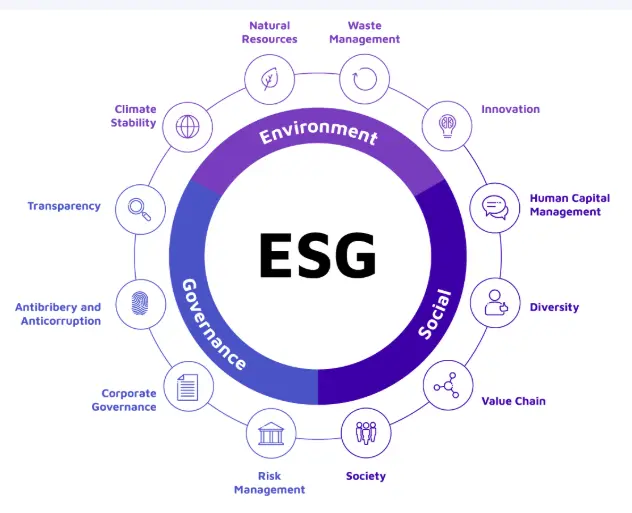
Recognizing the interconnections of healthy ecosystems, stable climates and cooperative communities all contribute to earth sustainability. We need for a shift in perspective from short term exploitation to long term oversight. Mohandas Gandhi may have said it best. “Earth provides enough to satisfy every man’s need, but not every man’s greed”